

Dental Extractions in Torrance, CA
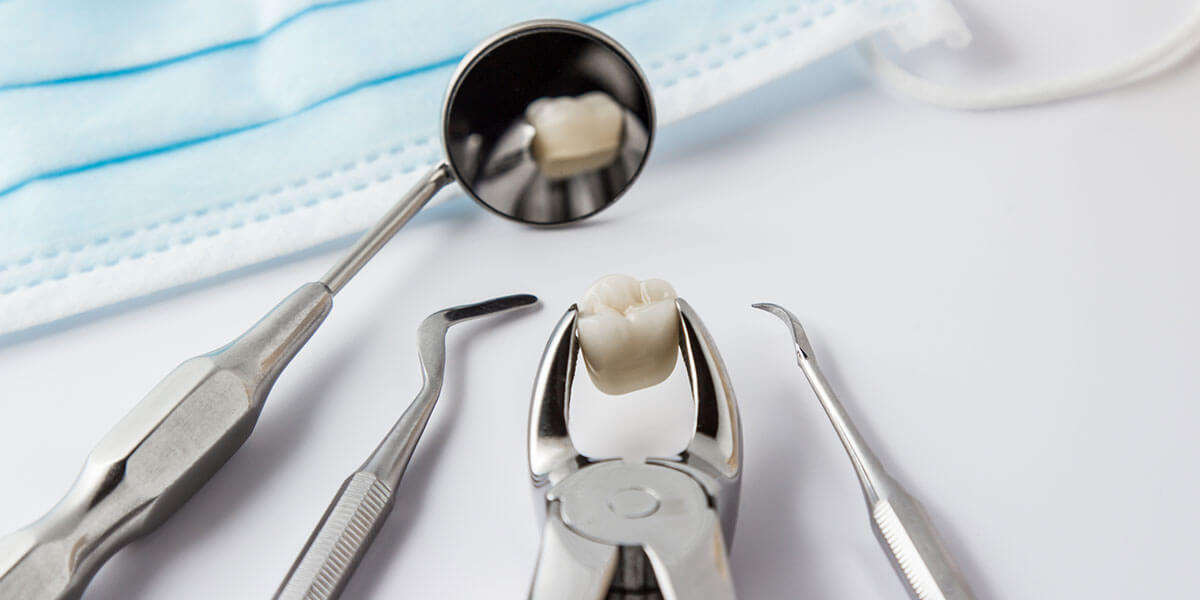
Sachi & Co. Dentistry provides tooth extractions in Torrance, CA. Call to learn more and schedule your appointment.
Sometimes a tooth cannot be restored and must be removed.
When a tooth is broken or has significant decay, the ideal solution is to restore it using a filling, crown, root canal, or other procedure. If restoration is not possible or advisable due to the condition of the tooth, an extraction may be recommended to prevent infection and achieve or maintain oral health.
Common Reasons for Tooth Extraction
A tooth extraction may be recommended for a single tooth that is severely decayed, for advanced gum disease (periodontal disease) that has weakened the supporting bone around a tooth, or to create space as part of orthodontic treatment. Third molars, commonly known as wisdom teeth, are also frequently extracted when they become impacted or problematic. The dentist will determine the best solution based on the extent of the damage and the overall health of the mouth.
Most extractions can be performed with the use of local anesthesia to numb the area around the tooth. The tooth is then gently loosened and removed. Immediately after the tooth is removed, gauze pads are placed for the patient to bite down on the tooth socket to apply pressure and stop bleeding. Stitches are sometimes needed, and may dissolve or require removal at a follow-up appointment.
There are times when tooth extraction is more complex and IV Sedation may be recommended.
Healing After a Tooth Extraction
A blood clot forms at the extraction site soon after the tooth is removed, and it plays an important role in the healing process. Avoiding straws, smoking, and vigorous rinsing for the first day helps keep the clot in place and lowers the risk of dry socket, a painful complication that can occur if the clot is dislodged.
Some swelling and mild discomfort are common during the first day or two. An ice pack applied to the cheek can help reduce swelling, and over-the-counter pain medication is often enough to manage discomfort. Antibiotics may be prescribed if there is a risk of infection.
Soft foods are recommended for the first few days, and spicy foods should be avoided while the extraction site heals. A change in taste is common during this time and typically resolves as healing continues.
Replacing an Extracted Tooth
Tooth replacement may be considered after an extraction to protect the position of neighboring teeth and support a natural bite. Dental implants are one option, and bone grafting material is sometimes used to help preserve the bone at the extraction site for future tooth replacement.
Wisdom Teeth
A wisdom tooth, also known as a third molar, that is deemed problematic is normally extracted to avoid any oral complications. To have a wisdom tooth removed, a small incision is made to open up the gum tissue over the tooth and remove any bone that is covering the tooth. Once the tooth is in view, it is grasped with a dental instrument, known as a forcep, and gently rocked back and forth to loosen it from the jaw bone and surrounding ligaments. Sometimes the tooth may need to be cut into smaller pieces to make it easier for removal. Stitches may be necessary after the removal of a wisdom tooth.
Oral Sedation
Oral Sedation, uses medications to allow the patient to go to sleep while receiving dental treatment. Surgical patients or patients with high levels of anxiety, or special needs may benefit from Oral Sedation. The doctor can discuss the benefits of sedation and help patients determine if it is the best choice for them.