

As a parent, watching your child lose baby teeth and develop their permanent smile is an exciting milestone. However, it is also common to notice new teeth coming in crooked, crowded, or seemingly out of place. Many parents wonder whether early orthodontic treatment can help guide this process and reduce the need for more extensive treatment later.
One of the most common questions we hear is whether Invisalign can help permanent teeth erupt into better positions. The answer depends on your child's age, stage of dental development, and specific orthodontic needs. At Sachi & Co. Dentistry, we believe early evaluation allows families to make informed decisions that support healthy smile development while using the latest technology and personalized care.
Understanding How Adult Teeth Erupt
Children usually begin losing their baby teeth around age six, with permanent teeth continuing to erupt into the early teenage years. This process is carefully coordinated, but many factors can influence how adult teeth come in, including:
- Genetics
- Jaw size
- Early loss of baby teeth
- Thumb sucking or prolonged pacifier use
- Crowding
- Bite development
Sometimes permanent teeth erupt exactly where they should. In other cases, there may not be enough room, causing teeth to overlap, rotate, or become impacted. The earlier these issues are identified, the more treatment options may be available.
What Is Invisalign First?
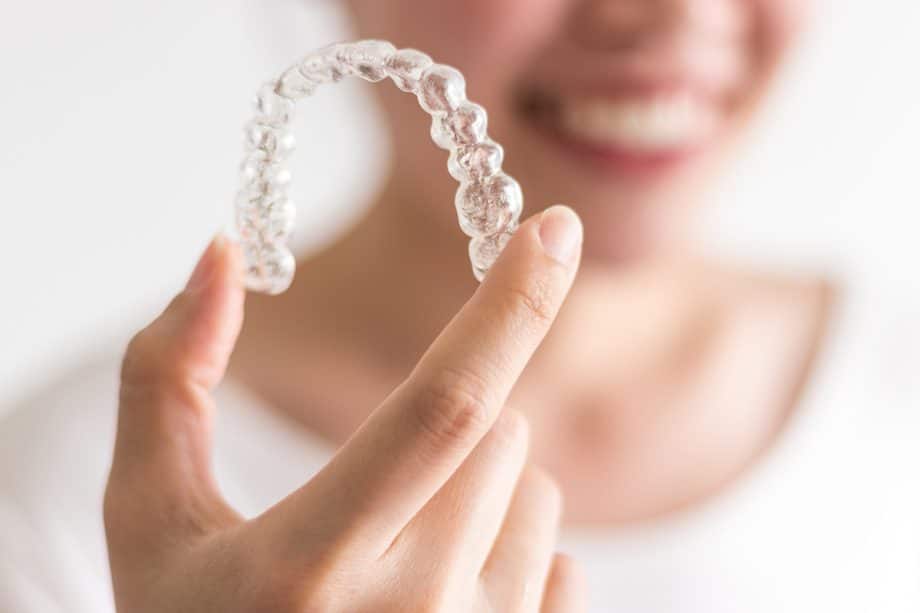
Many people associate Invisalign with teenagers and adults, but Invisalign also offers treatment specifically designed for younger children called Invisalign First.
Invisalign First is intended for children who still have a mix of baby teeth and permanent teeth. Rather than simply straightening visible teeth, this treatment is designed to support healthy jaw development while creating space for incoming permanent teeth.
Depending on your child's needs, Invisalign First may help:
- Create room for erupting permanent teeth
- Correct certain bite problems
- Reduce crowding
- Guide developing dental arches
- Improve alignment during early growth
Because every child develops differently, an orthodontic evaluation is necessary to determine whether Invisalign First is appropriate.
Can Invisalign Actually Help Adult Teeth Come In Better?
In many situations, yes. While Invisalign cannot change the natural timing of tooth eruption, it can help create a healthier environment for permanent teeth as they emerge.
For example, if crowding is preventing new teeth from coming in properly, carefully planned tooth movement can open space before additional adult teeth erupt. This may allow future teeth to emerge in more favorable positions.
Invisalign can also help improve the overall alignment of the upper and lower dental arches, giving permanent teeth a better chance of fitting naturally as they come in. The goal is not to force teeth into place before they erupt. Instead, treatment works with your child's natural growth and development.
Signs Your Child May Benefit From Early Invisalign Evaluation
Many orthodontic concerns are easier to manage when identified early.
Parents should consider scheduling an evaluation if they notice:
- Crowded baby or permanent teeth
- Permanent teeth erupting behind baby teeth
- Crossbites
- Underbites
- Overbites
- Large gaps between teeth
- Difficulty biting or chewing
- Teeth that appear severely rotated
- Early or delayed loss of baby teeth
Even if treatment is not recommended immediately, monitoring development allows your dentist to determine the ideal timing for future care.
Why Early Intervention Matters
Some parents assume they should wait until every permanent tooth has erupted before considering orthodontic treatment. While this may be appropriate for some children, others benefit significantly from early intervention.
Treating developing orthodontic problems while the jaw is still growing may:
- Minimize severe crowding
- Reduce the risk of impacted teeth
- Improve bite function
- Simplify future orthodontic treatment
- Support healthier jaw growth
- Lower the likelihood of tooth wear caused by bite problems
Early treatment does not necessarily eliminate the need for future orthodontics, but it can often make later treatment shorter and less complicated.
Is Invisalign Better Than Traditional Braces for Younger Children?
Both Invisalign and traditional braces have important roles in orthodontic care. Invisalign offers several advantages that many families appreciate.
- Comfortable Treatment. The smooth plastic aligners reduce irritation that can occur with brackets and wires.
- Removable Convenience. Children can remove aligners for eating, brushing, and flossing, making oral hygiene much easier.
- Nearly Invisible Appearance. Many children and preteens appreciate the discreet appearance of clear aligners.
- Fewer Dietary Restrictions. Because aligners are removed before meals, children can continue enjoying foods that are often restricted with braces.
However, Invisalign is only successful when aligners are worn as instructed. Children who frequently forget to wear them may achieve better results with braces. Your dentist will recommend the option that best matches your child's needs, maturity level, and orthodontic goals.
Every Child Is Different
Not every child is a candidate for Invisalign First. Some orthodontic problems require other treatment approaches, including traditional braces or appliances designed to guide jaw growth.
Factors your dental team considers include:
- Age
- Stage of tooth eruption
- Amount of crowding
- Jaw development
- Bite relationship
- Oral hygiene habits
- Ability to wear aligners consistently
A personalized evaluation provides the clearest picture of which treatment option will deliver the healthiest long-term outcome.
The Importance of Regular Dental Visits
Routine dental examinations do much more than check for cavities. As children grow, your dental team monitors changes in jaw development, tooth eruption, and bite alignment. These regular visits often identify orthodontic concerns long before they become obvious to parents.
At Sachi & Co. Dentistry, patient-centered care includes careful evaluations that focus on both oral health and long-term function. By combining modern dental technology with individualized treatment planning, the team helps families understand every available option for supporting healthy smiles.
Helping Your Child Build a Healthy, Confident Smile
A child's smile continues developing for many years, and early guidance can make a meaningful difference. While Invisalign cannot guarantee every permanent tooth will erupt perfectly, it can often create the space and conditions needed for healthier tooth alignment during growth.
If you have concerns about how your child's adult teeth are coming in, scheduling an evaluation is the best place to start. Early assessment allows your dental team to monitor development, identify potential concerns, and recommend treatment only when it is truly beneficial. Whether Invisalign First, traditional braces, or simple observation is appropriate, personalized care helps support a healthy smile that lasts well into adulthood.
Frequently Asked Questions About Invisalign for Children
At what age should my child have an orthodontic evaluation?
Many children benefit from an orthodontic evaluation around age seven. At this stage, enough permanent teeth have erupted to identify developing bite or spacing concerns, even if treatment is not immediately necessary.
Can Invisalign prevent braces later?
Some children who receive early Invisalign treatment may require less extensive orthodontic care during their teenage years. However, every case is unique, and some patients may still benefit from additional treatment after all permanent teeth have erupted.
Does Invisalign hurt when children begin wearing aligners?
Children may experience mild pressure for a day or two after switching to a new set of aligners. This temporary feeling is a sign that the aligners are gently moving the teeth as planned.
How many hours each day should children wear Invisalign aligners?
Most Invisalign treatment plans require aligners to be worn for 20 to 22 hours each day. They should only be removed for meals, brushing, flossing, and cleaning the aligners.
Can my child play sports while wearing Invisalign?
Yes. Invisalign aligners are generally safe for sports, although athletes participating in contact sports should still wear a properly fitted mouthguard for additional protection.
At Sachi & Co. Dentistry, we are committed to providing personalized, patient-centered care for every stage of your family's oral health. We combine advanced technology with compassionate treatment to help children and adults achieve healthy, confident smiles that last. Contact us today to schedule a consultation.